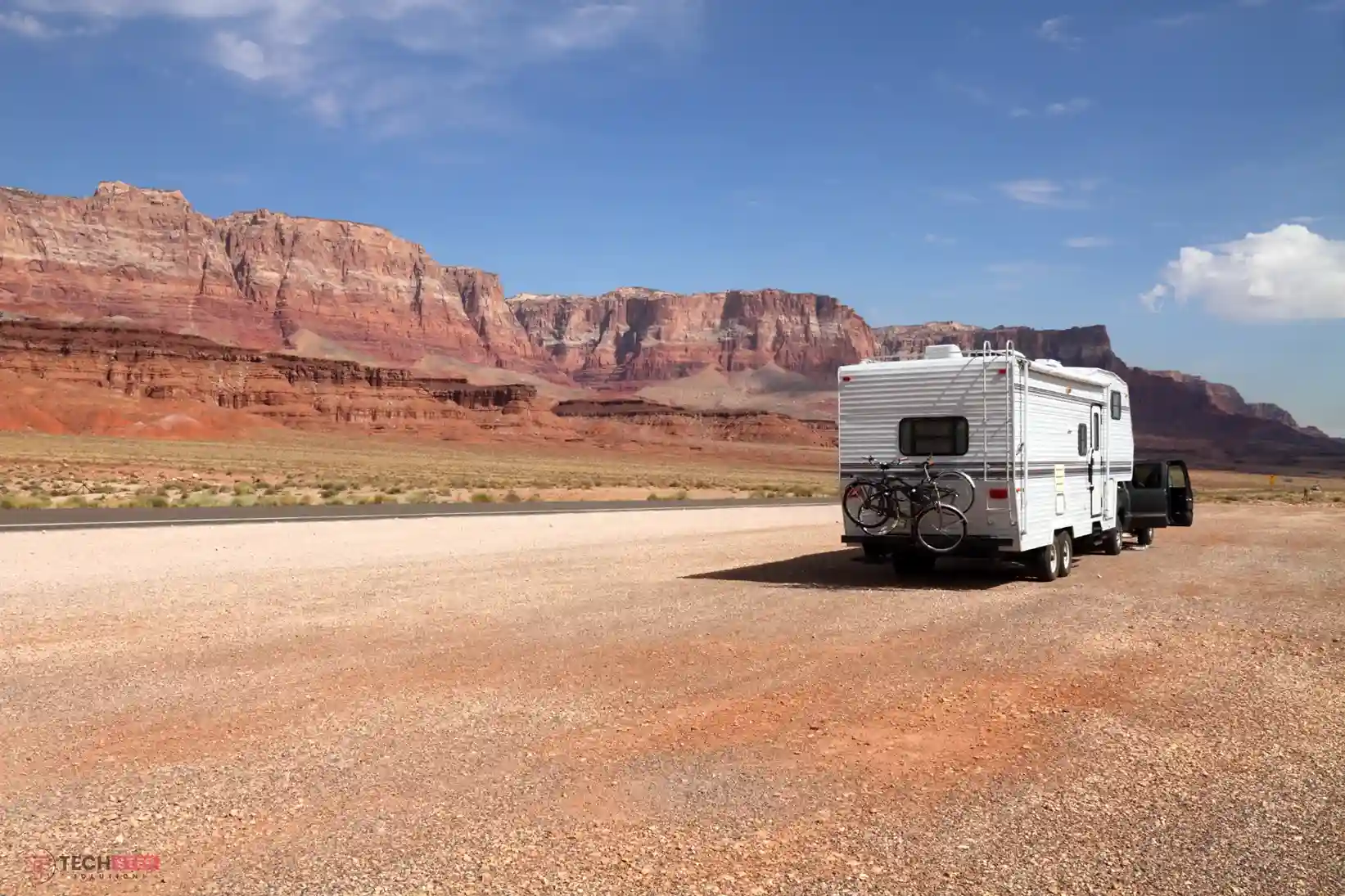
Exploring the Cost To Install RV Hookups and Key Factors That Impact Pricing When Planning Your RV Setup
Installing RV hookups on your property can completely transform the way you use and enjoy your land. With proper hookups, you can park your RV comfortably and have access to all the necessary amenities, making your property much more functional and enjoyable. Imagine the convenience of hosting friends or family who travel in RVs—they can stay right on your property, with electricity, water, and sewage connections ready, without any extra hassle or planning.
For many homeowners, RVs are not just for travel—they can double as a mobile office, a guest space, or even a temporary living area, making the installation of RV hookups a smart and practical investment. Beyond the added convenience and flexibility, installing hookups can also boost your property’s overall value, which can be a significant advantage if you ever decide to sell.
The cost to install RV hookups can vary widely, depending on several important factors. These include the type of hookup you choose, the distance from your property’s existing utilities, local labor rates, and whether you decide to hire a professional or take the DIY route. By understanding these factors, you can better plan your installation and budget for a setup that meets your needs while maximizing both functionality and property value.
Key Factors Influencing RV Hookup Costs and Overall Installation Expenses
Here are the main factors that determine the cost of installing RV hookups:
Step 1: Distance from Utilities
The farther your RV pad is from power, water, or sewer lines, the higher the RV hookups cost.
Step 2: Terrain and Site Preparation
Uneven or rocky ground requires extra work. Proper site preparation ensures a stable and safe RV setup.
Step 3: Permits and Inspections
Local regulations may require permits. Hiring professionals can save trouble and ensure proper inspections.
Step 4: Materials and Trenching
Pipes, wiring, and trenching materials all add to the cost of rv hookup. Quality matters for safety.
Step 5: DIY vs. Professional Installation
DIY can save money but may take longer. Professional installation costs more but ensures safety and compliance.
Exploring Different RV Hookup Types and What They Cost To Install
When planning RV hookups, understanding the three main types—electrical, water, and sewer—is essential. Each type has unique requirements and impacts the total rv hookup cost.
Electrical Hookups
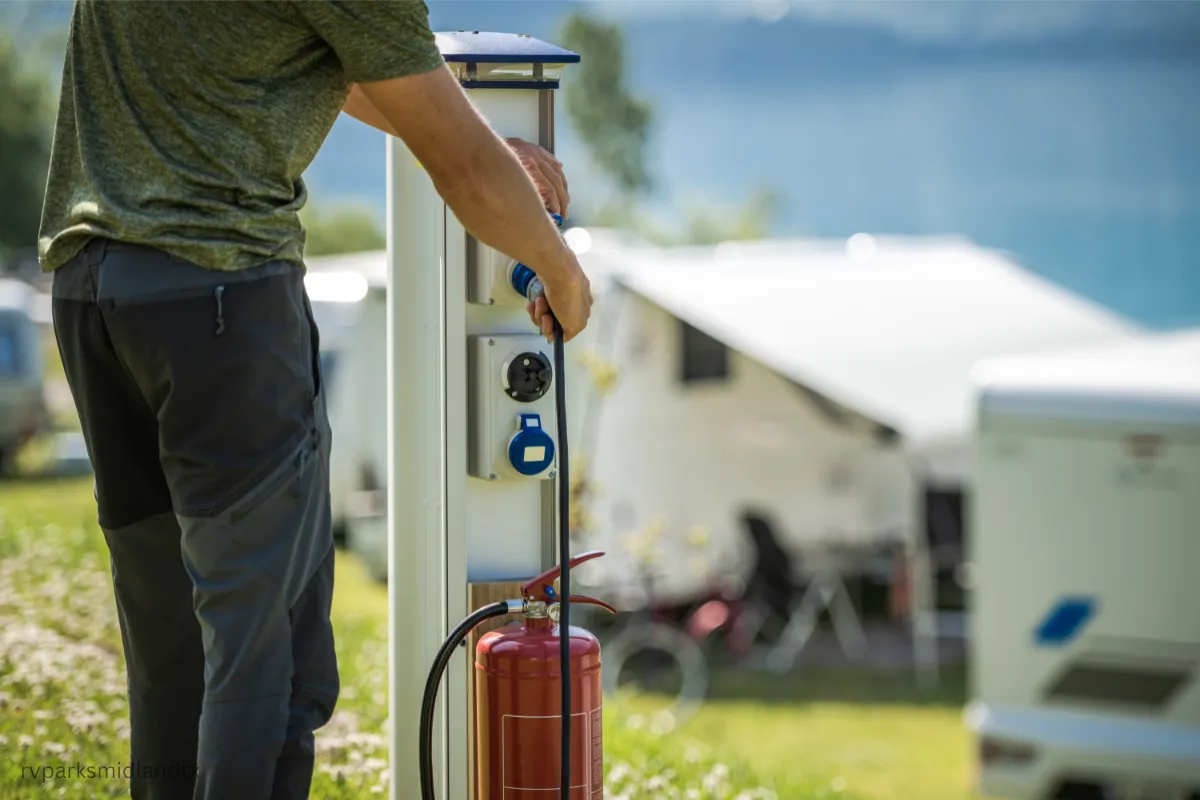
Electrical hookups power RV lights, appliances, and air conditioning. Most use 30-amp or 50-amp service—offering 3,600 to 12,000 watts. The cost of electric hook up typically ranges from $500 to $2,000 per site, depending on wiring and labor. Use weatherproof outlets and breakers for safety. Providing both 30-amp and 50-amp options attracts more RV owners and boosts site appeal.
Water Hookups
Fresh water access is another key component. Setting up water lines may require trenching or drilling a well. Frost protection and pressure regulators ensure reliable service year-round. DIY installations can reduce the cost to install RV hookups on land, but professional help guarantees proper function. Regular maintenance keeps pipes safe and prevents leaks. Including water hookups makes your property much more appealing to guests or long-term users.
Sewer Hookups
Proper waste management is crucial for RV users. Sewer lines must be installed with a correct slope for drainage, and connections may tie into a septic system or city sewer. Ongoing maintenance and inspections are important to avoid clogs or leaks. Using quality materials ensures longevity and safety. Sewer hookups are often the most expensive part of the setup but add significant convenience.
Installing all three types creates a complete setup, increasing comfort, safety, and property value.
A Complete Step-by-Step Guide to Installing RV Hookups on Your Property
Installing RV hookups may seem complex, but breaking it into steps makes the full installation manageable. With proper planning, you can create a safe and functional setup.
Step 1: Preparing the Site
Start with site preparation by leveling the ground and creating a stable parking pad. Measure distances carefully from utilities to your RV location. Proper planning ensures easier trenching and prevents costly adjustments later. Clear away obstacles like low-hanging branches or rocks.
Step 2: Electrical and Water Setup
Trench for electrical wiring and water lines. Install wiring for 30-amp or 50-amp service depending on your RV. Set up an electrical panel and weatherproof outlets to protect against moisture. For water, connect pipes using frost-resistant materials and add pressure regulators for consistent flow. Check that all materials are durable and compliant with local safety codes.
Step 3: Sewer Installation
Sewer hookups require proper slope for drainage. Connect to a septic system or public sewer, depending on your property. Include clean-outs for maintenance access and easy inspection. Quality materials and correct setup prevent leaks and blockages, keeping your system safe and functional.
Step 4: Final Checks
Once all connections are complete, test electricity, water, and sewer lines. Ensure everything complies with local regulations. Verify that your trenching, piping, and wiring are secure. Regular inspections maintain safety and extend the life of your RV hookup installation.
Following these steps ensures a reliable and convenient RV experience, whether for personal use or hosting guests. A well-executed setup adds value and enhances property usability.
RV Life Without Hookups: Practical Tips and Essentials
Yes, you can use an RV without hookups, though it comes with some limits. For electricity, RV batteries can power lights and small appliances, but running air conditioners or large appliances may not be possible. Solar panels are another option for short-term off-grid setups.
For water, you can fill your fresh water tank at home or a public spigot. Conserving water becomes important, especially for longer stays. Portable water containers and hand pumps can also help in emergencies.
Sewer needs can be managed with a portable waste tank or by planning visits to a dump station. While this reduces convenience, it avoids the high rv hookups cost of full installation.
Using your RV without hookups is practical for short-term stays, emergencies, or testing a location. However, the cost to install RV hookups on land may be worthwhile if you plan frequent or long-term use.
Permits and Legal Requirements You Must Know Before Installing RV Hookups
Before installing RV hookups, it’s important to follow local zoning laws and building codes. Rules can vary by city or county, so check with your local office. Proper planning ensures your project meets all requirements.
Most areas require permits for electrical, water, and sewer connections. Getting the right permits helps avoid fines and keeps your setup safe. Inspections may also be needed at different stages of site preparation.
Environmental and safety considerations are key. Protect water sources, avoid disturbing wildlife, and follow proper waste management. Correct wiring, secure plumbing, and proper trenching help ensure a safe, functional, and compliant RV hookup. These steps influence rv hookup installation cost and cost of installing rv hookups.
How to Save Money on RV Hookup Installation Costs
Lower your rv hookup cost and rv hookups cost with these simple tips:
Use existing utilities – Connect near water, sewer, or electricity to save on trenching.
Smart layout – Keep your RV pad close to utilities to reduce materials and labor.
Partial DIY – Handle simple tasks like leveling or digging; leave complex work to pros.
Durable materials – Quality pipes and wiring prevent future repairs.
Plan full installation – Efficient setup upfront cuts mistakes and costs.
Smart planning makes installing RV hookups easier and cheaper.
Maximizing the Long-Term Value of Installing RV Hookups
Installing RV hookups adds significant value for property owners and campground operators. A well-planned setup attracts more visitors, including long-term renters, full-time RVers, and families seeking convenience.
Offering full hookups can justify higher rates and increase occupancy. Even with the initial overall cost, this investment provides a strong return. Regular inspections and maintenance keep the system safe and functional.
For campgrounds or multiple-site properties, modern RV amenities make your location stand out. Guests often prefer sites like RV Park Midland TX, where hookups are reliable and professionally maintained. Thoughtful planning and quality installation turn RV hookups into a profitable feature that boosts property income.
Costs vary depending on site preparation, materials, and professional help. DIY setups start around a few hundred dollars, while full installation can cost several thousand.
A complete hookup includes water lines, sewer connections, and electrical panels. Proper trenching, site preparation, and quality materials are essential.
Yes, but comfort is limited. Onboard tanks and portable power help, but long-term stays may be inconvenient.
Conclusion: Planning Your RV Hookup Installation
Installing RV hookups brings both convenience and value to your property. Costs will vary based on site preparation, materials, and whether you hire professionals.
Following clear steps for electrical, water, and sewer setup ensures a safe and efficient full installation. Always check local permits and regulations to stay compliant and avoid delays.
Proper planning reduces surprises and keeps overall costs manageable. Well-maintained hookups attract guests, increase property value, and provide a smart return on investment for personal or rental use.




 .
.