Classes of RVs: A Simple Guide to Explain Different Classes of RVs Type
Types of RVs: RV Guide Recreational vehicles are available in many styles, sizes, and floor plans. Since every traveler has different needs, the best RV choice depends on how you plan to travel and live on the road. Learning about the classes of RVs helps you make a more informed decision. Many first-time buyers feel overwhelmed because RV classes can seem complicated at the beginning. However, each class is designed with specific features and advantages to suit different travel preferences.
This guide breaks down the different RV class types in a clear and simple way. You will understand the key differences between motorized RVs and towable, non-motorized options. You will also learn about the benefits and drawbacks of each RV class. With easy-to-follow RV class explanations, choosing the right model becomes simpler based on your travel style, family size, and comfort needs.
Selecting the right RV can make your trips smoother and more enjoyable while helping you avoid expensive mistakes. This complete overview of recreational vehicle classes is designed to give you the confidence and knowledge you need before making your final choice.
Class A RVs — Large, Luxurious, and Designed for Maximum Comfort
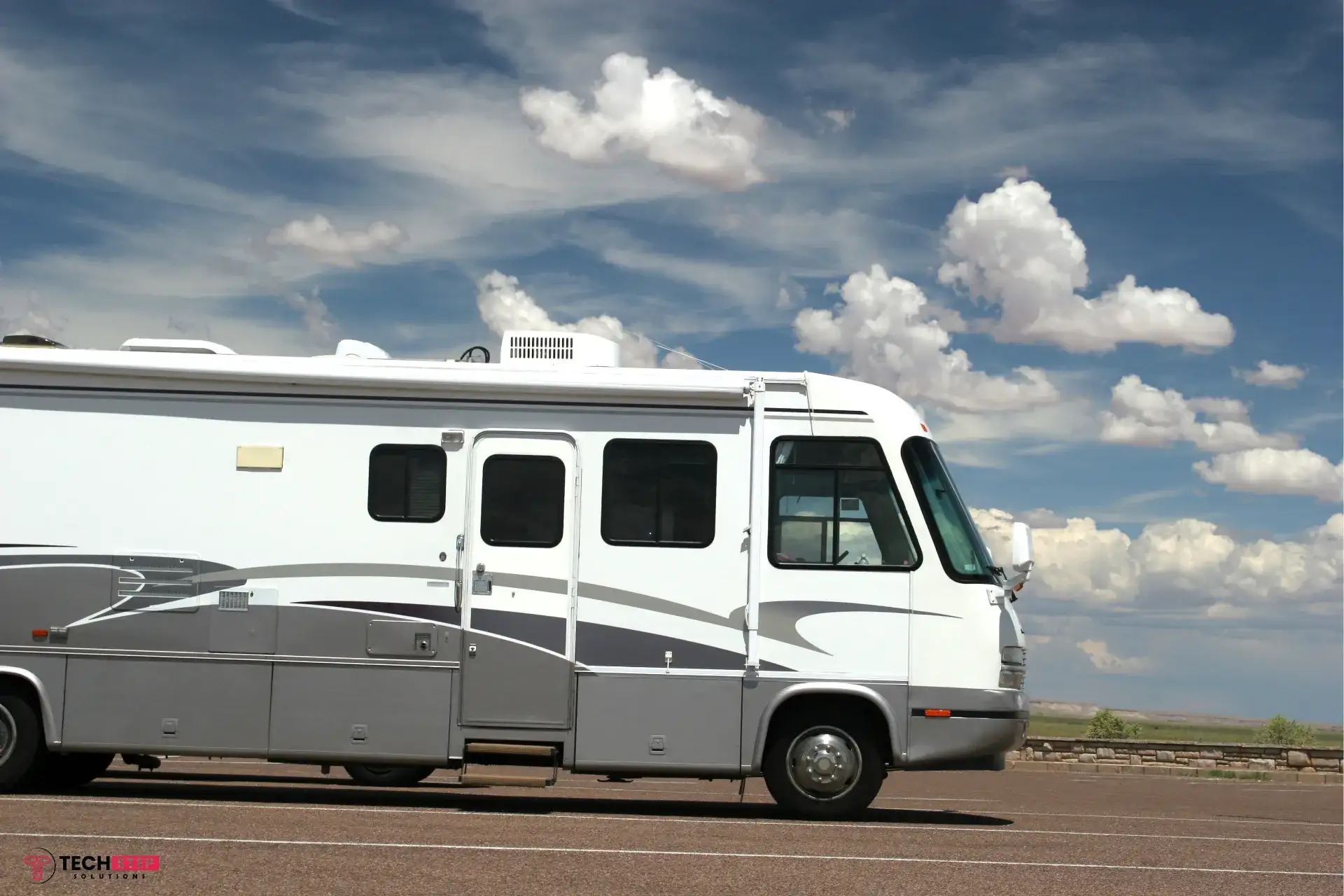
Class A RVs are the biggest option among all class RV types. They look like long buses and offer the most spacious interiors. These RVs are often chosen by full-time travelers who want a home-like feel on the road. They come with large bedrooms, full kitchens, big living areas, and plenty of storage.
Comfort is the main reason people choose Class A motorhomes. They are extremely luxurious, with wide layouts and modern features. You get comfortable beds, big refrigerators, and even washer-dryer setups in many models. They are designed for travelers who want long, relaxed trips without feeling cramped.
However, Class A RVs are not very fuel-efficient. Do You Need CDL To Drive An RV Their size makes them heavier, and they consume more fuel during long drives. They also require more space for parking and can be difficult in tight areas. But if comfort and space are your priority, Class A RVs offer a premium travel experience that few other RVs can match.
Class B RVs — Smallest, Easiest to Drive, and Highly Fuel-Efficient
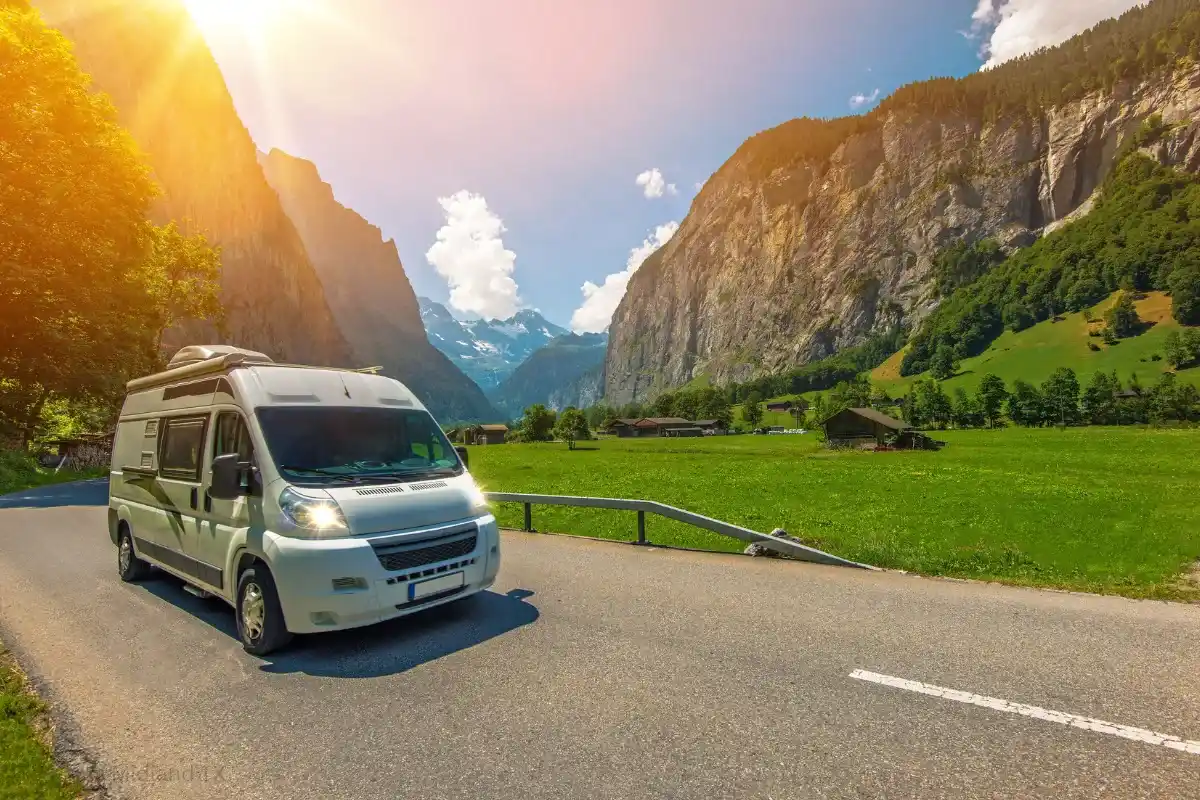
Class B motorhomes are the smallest motorized RVs. They are also known as camper vans. These RVs are built in the shape of a van, so they drive much like a regular vehicle. This makes them ideal for people who want simple trips without the stress of handling a huge motorhome.
Their smaller size means they are very fuel-efficient. Travelers who take long road trips love this advantage. You save money on fuel, and you avoid the parking challenges that come with bigger RVs. Class B RVs are perfect for solo travelers or couples who enjoy adventure without extra space.
Inside a Class B RV, you usually get a compact kitchen, a small bed, and sometimes a wet bath. You don’t get as much room as larger RVs, but the simplicity is the strength of this class. Their ability to store easily at home also makes them a top pick for beginners.
Choosing the Best Locations Class C RVs — The Balanced Choice for Families and Long Trips
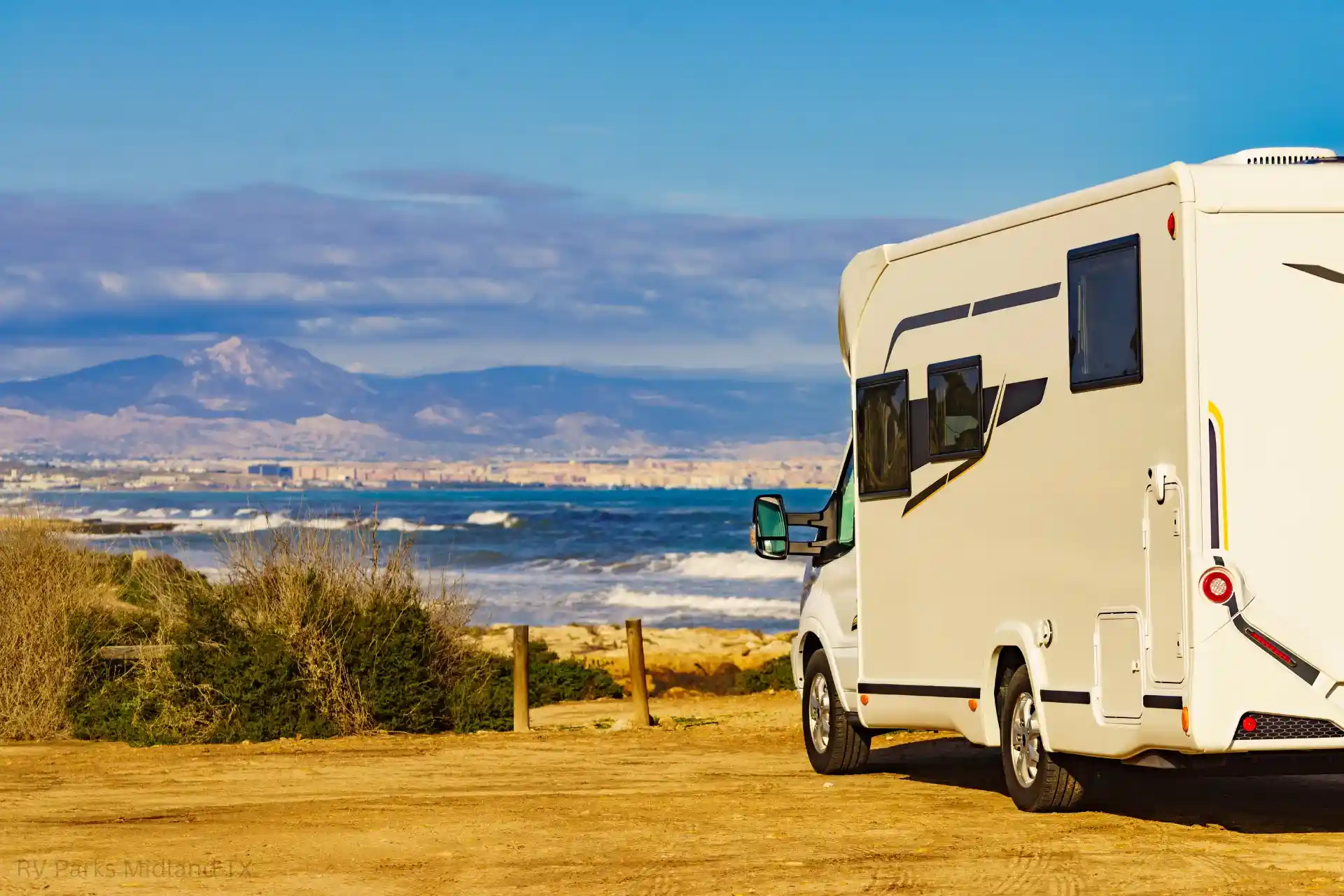
Class C motorhomes offer a mix of comfort, space, and easy handling. They sit between Class A and Class B in size. Their signature feature is the cab-over sleeping or storage area that extends above the driver’s cabin. This design adds useful space without making the RV too large.
The types of Class C RVs vary from smaller models to large family units. Some offer bunk beds, while others include bigger dining areas. You get more room than Class B, but without the huge size of a Class A motorhome. This balance makes Class C one of the most popular rv camper classes among families.
Class C RVs also feel easier to drive because they are built on a truck or van chassis. They offer a good mix of comfort, affordability, and practicality. Many travelers see them as the “just right” option when they want more space but still prefer easy handling.
Towable RVs — Non-Motorized Options for Flexibility and Variety
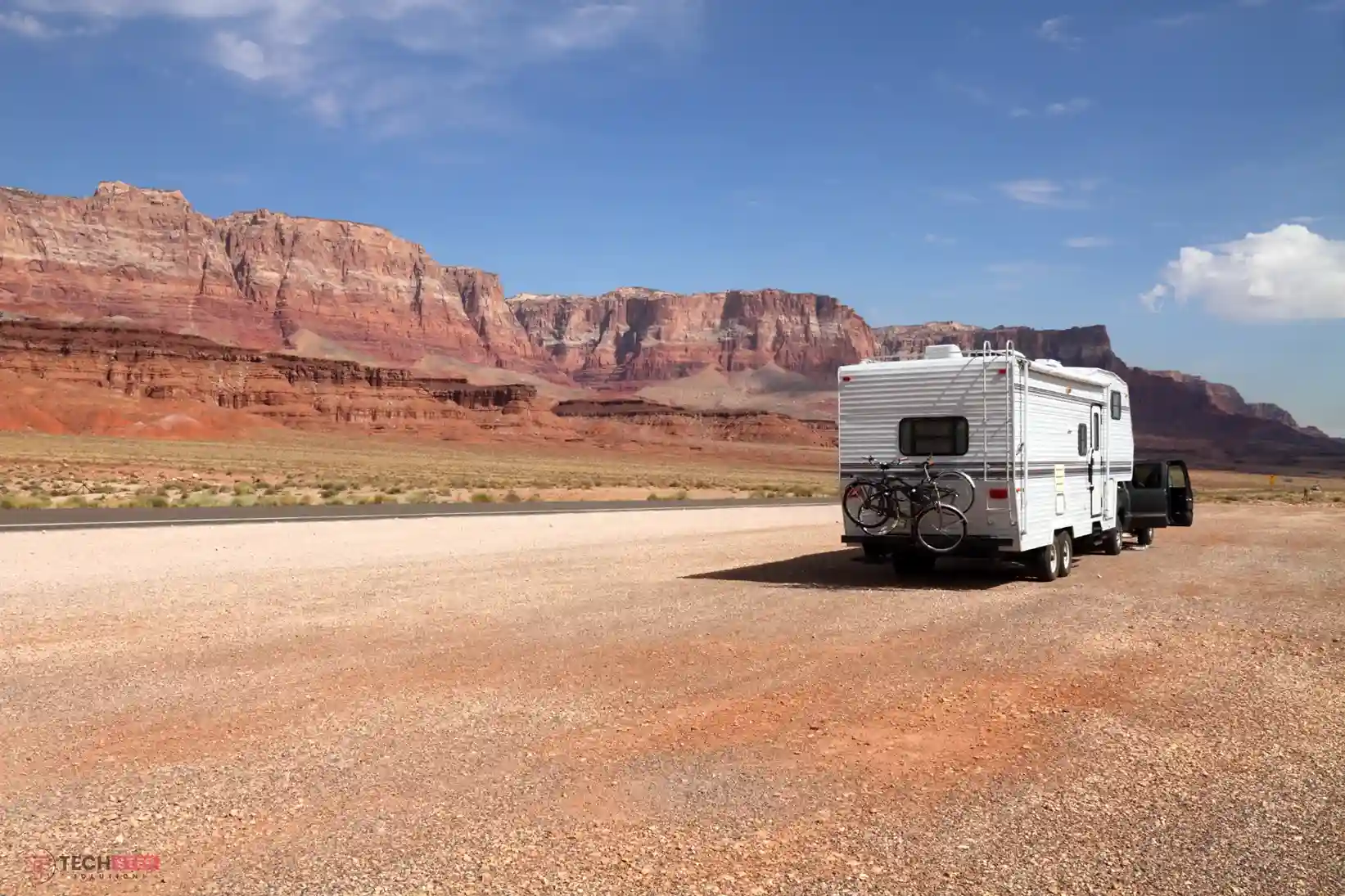
Towable RVs are non-motorized recreational vehicles. You need a truck or SUV to tow them. The flexibility of unhooking your RV and using your vehicle separately is a major benefit for many travelers.
Travel trailers come in many sizes. Some are extremely small and easy to pull. Others offer large living rooms, big kitchens, and comfortable sleeping spaces. Families like these trailers because they are more affordable and easier to maintain than motorized options.
Fifth Wheels are the biggest towable RVs. They attach to the truck bed instead of the rear bumper. This creates a raised front section inside the RV, giving more room and higher ceilings. Fifth Wheels are great for long-term travel and full-time living. They provide comfortable space and large storage areas.
Towable RVs offer tremendous variety. You can choose small, medium, or large models depending on your towing power and travel needs.
Hybrid and Specialty RVs — Unique Designs for Different Travel Styles
Hybrid RVs combine the benefits of hard-walled trailers with tent-style pop-outs. They are lighter, easier to tow, and provide more airflow. Many travelers like these because they expand to offer extra sleeping areas without adding heavy weight.
Specialty RVs include toy haulers, compact trailers, and models built for specific activities. Toy haulers offer large rear garages that can hold bikes, kayaks, or ATVs. Their design focuses on storage, flexibility, and adventure.
These RVs suit people who want unique options. They work well for outdoor lovers, weekend travelers, and families who want a custom feel. Specialty RVs show how flexible the world of recreational vehicle classes can be.
Understanding Motorized vs Non-Motorized RV Classes Before You Buy
Choosing between motorized and non-motorized RVs is one of the biggest decisions for new travelers. Knowing the difference helps you pick the right model for your trip. Motorized RVs include Class A, Class B, and Class C. These come with built-in engines, so you can drive them without a tow vehicle. They offer convenience because you can start traveling right away. Many travelers prefer them for long routes and family adventures.
Non-motorized RVs include Fifth Wheels and travel trailer models. They require a truck or SUV for towing. These RVs give more layout choices, more living space, and often cost less than motorized options. They are ideal for travelers who want flexibility. You can detach the trailer and use your truck freely after parking.
Think about storage, budget, and driving comfort before choosing. This simple comparison helps you understand all rv camper classes, different classes of rvs, and general rv class definitions before making a final decision.
They are the three main class RV types. Class A is the largest and most luxurious. Class B is the smallest and most fuel-efficient. Class C is mid-sized with a cab-over design.
Both can be safe when driven with care. Some travelers feel Class C is safer due to its truck-style structure and lower height.
Choosing the Right RV Class for Your Travel Plans
Selecting an RV is easier when you understand how each class fits different travel needs. Class A RVs offer luxury and comfort for long trips. Class B RVs are great for simple travel and easy driving. Class C RVs provide balance and are perfect for families. Towable RVs and hybrids give budget-friendly choices with flexible layouts. Booking early at RV Park Midland TX can also make planning smoother and stress-free.
Think about your budget, your travel style, and the space you need. Also consider where you will store the RV and how often you plan to travel. The right match helps you enjoy every adventure with comfort and confidence.






 .
.