Can I Park My RV on the Street?Complete Guide to Local Laws, Rules, and Parking Limits
Owning a recreational vehicle (RV) offers freedom, comfort, and the ability to travel on your own schedule, but figuring out where to park it legally can often feel complicated. Unlike regular cars or trucks, RVs are larger, heavier, and sometimes used for extended stays, which means they’re typically subject to more detailed parking regulations. Local governments often create specific rules based on vehicle size, overnight use, and neighborhood zoning laws. Because of this, what’s perfectly acceptable in one city or residential area may be restricted or even prohibited in another.
In some communities, temporary street parking is allowed for loading, unloading, or short visits, while other areas enforce strict time limits, permit requirements, or complete bans on RV street parking. Before asking yourself, can I park my RV on the street, it’s important to understand your local ordinances to avoid fines, citations, complaints, or towing. In this comprehensive guide, you’ll explore essential RV parking laws, common time restrictions, permit options, and practical tips to help you stay compliant and park confidently wherever your travels take you.
Before parking a motorhome on the street, it’s essential to understand that rules vary widely between cities. Some areas allow temporary parking, while others strictly limit how long an RV parked on street can stay. Duration often depends on street type, local demand, and neighborhood regulations.
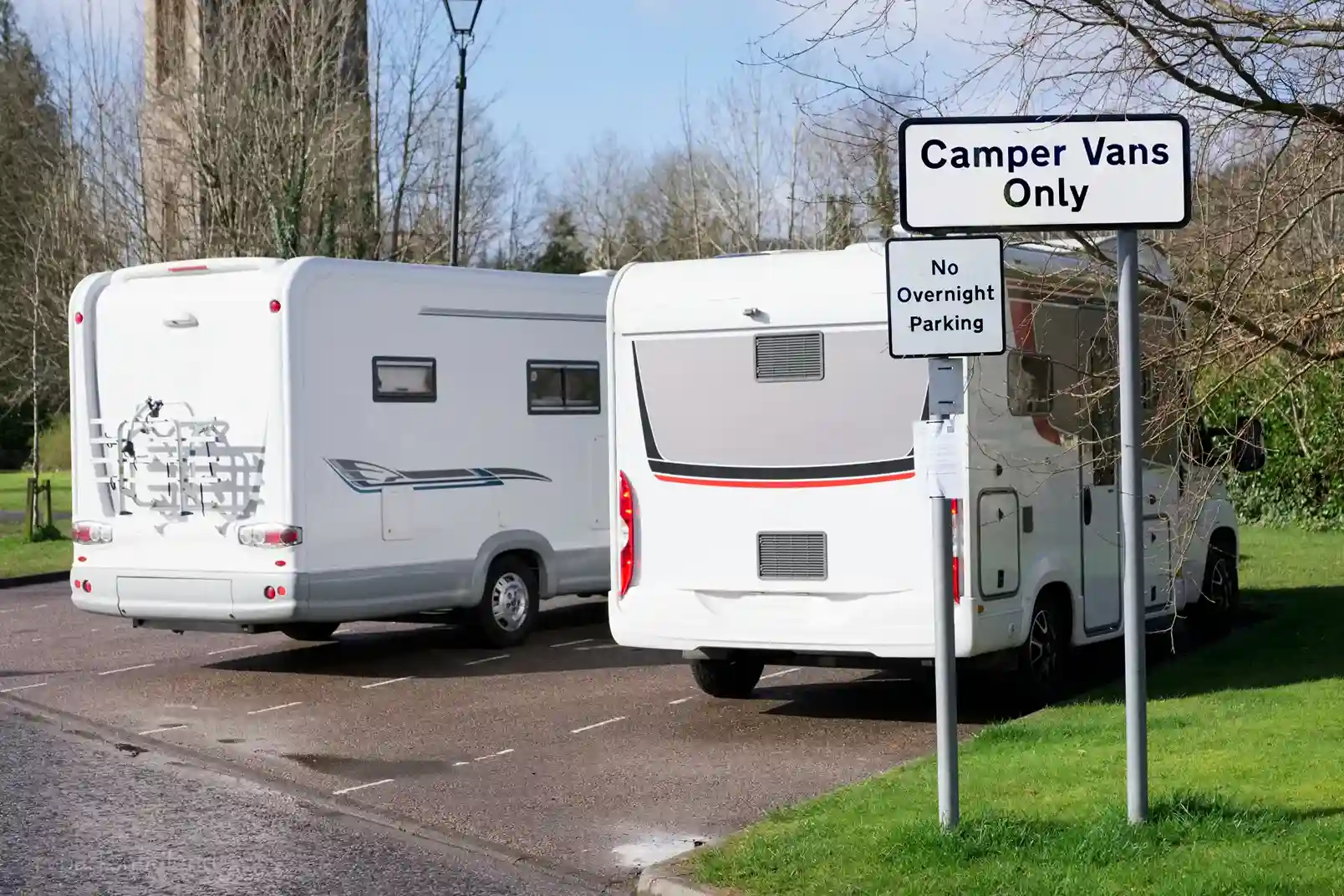
RV street parking is usually influenced by vehicle size, weight, and whether it blocks driveways or traffic. Many public roads and city streets have signs or zones that restrict large vehicles or prohibit overnight stays. Ignoring these rules can lead to fines or towing.
Always check local laws and city ordinances before leaving your RV for an extended period. Understanding time limits, permit requirements, and area-specific rules ensures your motorhome stays safe, legal, and free from enforcement issues. Proper planning also helps you find the best place to park overnight without disrupting the neighborhood.
Residential Restrictions and Local Ordinances Affecting RVs
Many residential zones have strict rules for parking a motorhome on the street. Some neighborhoods prohibit long-term rv parking on residential property entirely. These rules help keep streets clear and ensure safety for all residents. RV parking on private property is often regulated separately, so knowing what’s allowed in driveways or side yards is important.
Cities often set time limits for temporary parking. Common restrictions range from 24 to 72 hours. Going over these limits may lead to tickets or your RV being towed. Even short stays may require a permit in some areas.
RV parking regulations vary widely, so checking local rules is essential. Some city ordinances limit the number of vehicles you can park in front of your home. Others restrict parking near driveways, sidewalks, or intersections. Following these rules avoids penalties and keeps neighborhoods safe. Proper planning ensures your RV stays legal and doesn’t upset neighbors.
Legal and Convenient Overnight Parking Spots for Your RV
Finding the best place to park overnight helps you avoid fines and enjoy a worry-free stay. Legal options include RV parks, campgrounds, and designated rest areas. These spots follow parking for RV rules and provide safe, convenient parking.
Before parking, always:
Verify local laws and private land permissions.
Check if short-term permits are required.
Ensure your RV does not block traffic, sidewalks, or neighbors’ views.
Follow posted time limits and parking regulations.
For example, RV Park Midland TX offers a secure location for overnight RV stays. With proper facilities and clear rules, it’s ideal for travelers seeking safety and peace of mind.
Choosing approved locations also protects your vehicle and reduces risks related to size, visibility, and neighborhood restrictions. Legal parking options keep your RV experience smooth and enjoyable.
Time Limits and Temporary Parking Rules for Recreational Vehicles
Parking regulations for RVs often set strict time limits on city streets and public roads. Exceeding these limits can result in fines, tickets, or towing.
Different municipalities define a temporary stay differently. Some allow parking for 24 hours, while others permit up to 72 hours. Even with a permit, you may need to move your RV after a set period.
Local laws also consider an extended period differently depending on street type, neighborhood, and vehicle size. Residential zones often have shorter limits compared to commercial or public areas.
Checking local laws before parking ensures you stay compliant. Knowing rules for rv street parking and parking a motorhome on the street helps avoid legal issues. Following these temporary parking guidelines keeps your RV safe and your stay stress-free.how long can a motorhome be parked on the street
Responsible RV Parking: Tips for Street and Private Spaces
Parking an RV safely and lawfully protects your vehicle and helps you follow RV parking regulations. Proper planning also keeps neighborhoods happy. Here are key tips for responsible rv street parking:
Check Local Rules: Always review city ordinances and street signs before parking.
Observe Time Limits: Follow temporary parking durations to avoid fines or towing.
Ensure Proper Clearance: Don’t block driveways, sidewalks, or street access.
Use Adequate Lighting: Park in well-lit areas to improve visibility and safety at night.
Respect Residential Zones: Avoid creating nuisances for neighbors by keeping noise and clutter minimal.
Manage Waste Properly: Never dump sewage or trash in public areas.
Maintain Vehicle Appearance: Keep your RV clean and well-kept to prevent complaints.
Move When Required: Shift your RV as needed to comply with temporary parking rules.
Following these steps ensures a safe and stress-free RV experience while respecting local laws.
Guide to Local RV Parking Regulations and Permissions
Before parking your RV, it’s important to know the local rules and rv street parking laws. City or county websites often list parking regulations and ordinances for recreational vehicles. Checking online first can save you from unexpected fines.
You can also call the local parking authority or non-emergency police line. They can explain time limits, permit requirements, and whether parking a motorhome on the street is allowed for an extended period. Some areas require a temporary permit to park overnight legally.
Don’t forget about neighborhood rules, especially if you live in an HOA area. Many HOAs restrict RV parking on residential property or driveways. Reading street signs and reviewing HOA rules ensures your RV is parked legally, safely, and without annoying neighbors. Following these steps helps you stay compliant and avoid penalties.
The duration depends on local laws and city ordinances. Many areas allow RV parked on street for 24–72 hours. Always check signs and temporary parking rules.
Sleeping is usually restricted to approved areas. Public roads rarely allow overnight stays, so use campgrounds or RV parks.
Final Thoughts on RV Parking Laws and Best Practices
Understanding rv parking regulations, city ordinances, and local time limits is key for stress-free travel. Ignoring rules can result in fines, towing, or complaints from neighbors. Always check before leaving your recreational vehicle on public roads or in residential zones.
For safe overnight stays, use approved sites like RV Park Midland TX or other designated areas. These locations provide security, amenities, and peace of mind. Following local laws and parking responsibly ensures every stop is safe, legal, and enjoyable, letting you focus on exploring without unexpected hassles.





 .
.