Do You Need CDL to Drive an RV: Complete Guide to Driving Without One
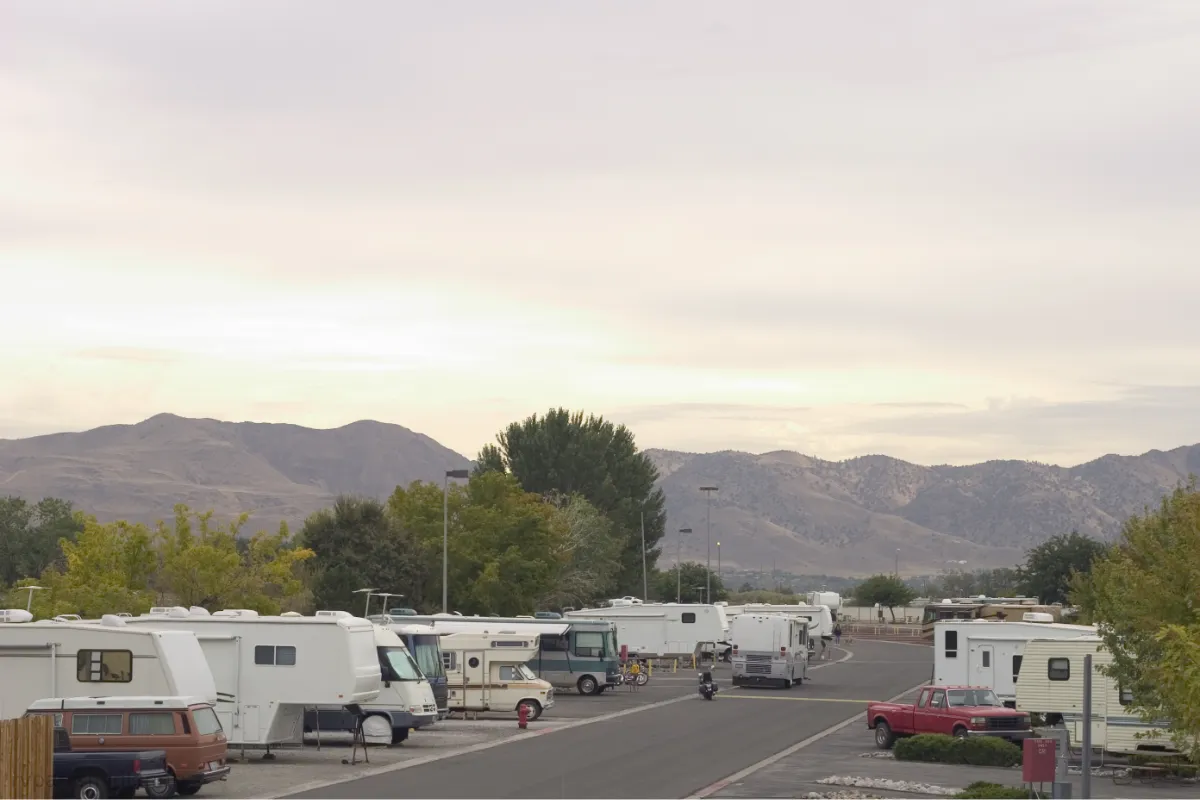
Driving an RV can be confusing because licensing rules aren’t always straightforward. Many new RV owners ask, do you need a CDL to drive an RV or whether a CDL is required before hitting the road. In most cases, RVs are used for personal travel rather than business, which means they fall under non-commercial driving rules instead of commercial vehicle laws. Whether you’re planning a trip across the state or visiting destinations like RV Park Midland TX, understanding these rules is important for a safe journey.
Licensing requirements often depend on factors such as the RV’s weight, class, and overall size. Larger motorhomes may be subject to stricter regulations than smaller RVs or trailers. This guide breaks down what matters most, helping you understand the rules and drive confidently while enjoying stops at places like RV Park Midland TX.
Understanding Licensing Requirements for Personal RV Travel
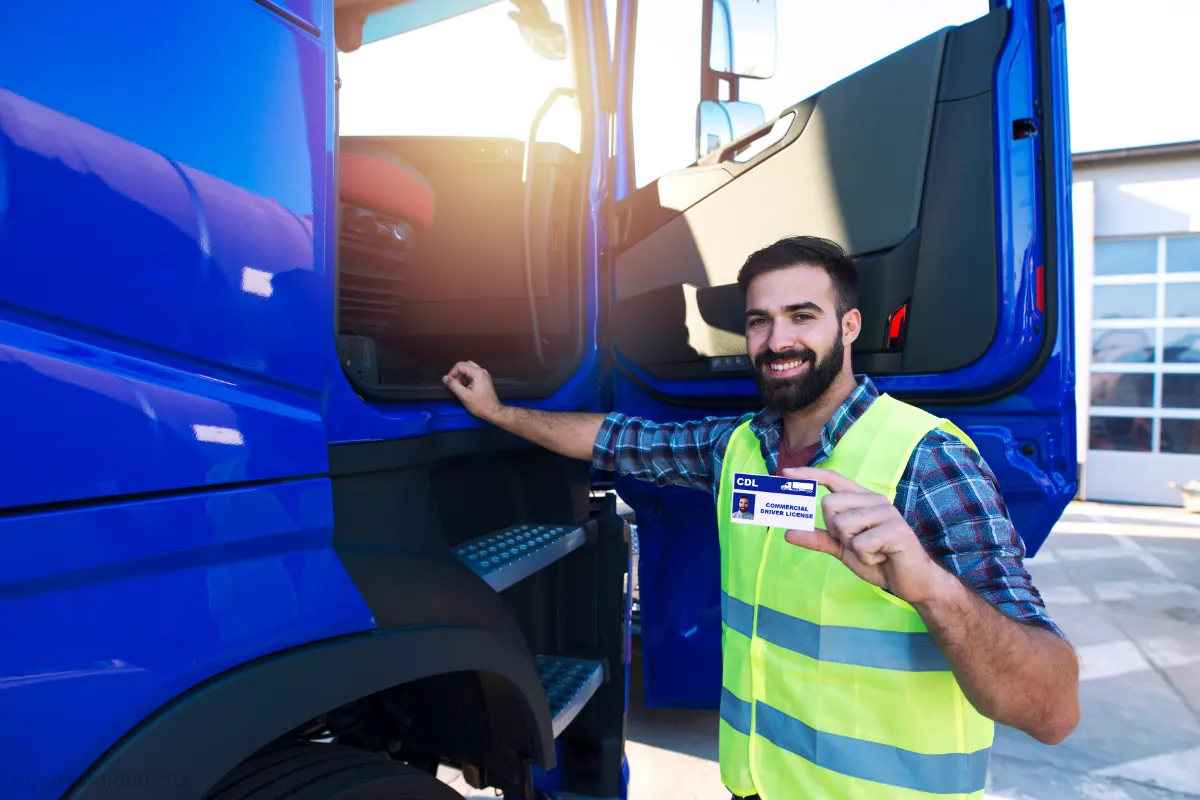
Commercial Driver’s License (CDL) Requirements: A CDL is generally required for large vehicles used for commercial purposes, but most RVs do not fall into this category.
Personal Use Exemption: Most RV owners use their vehicles for personal RV travel, which means a standard driver’s license is usually sufficient.
Class B and C RVs: Smaller motorhomes, as well as Class B and Class C RVs, typically do not require a CDL or special endorsements.
Class A and Larger RVs: Even some larger Class A RVs may only need a special non-commercial license depending on the state and vehicle weight.
Understanding RV CDL Law: Knowing rv cdl law helps drivers identify when a CDL or endorsement might be necessary and ensures safe, legal driving.
Compliance with Regulations: Staying informed about both federal and state regulations prevents fines and allows drivers to enjoy their RV adventures confidently.
Situations and Scenarios Where You Might Need a CDL to Drive an RV
While most RVs do not require a CDL, certain situations make it necessary. CDL needed for RV scenarios typically involve vehicles that exceed weight or length limits, or those used to transport more passengers than standard licenses allow. The cdl required for RV can also depend on how the RV is used, especially if it is for commercial or business purposes rather than personal travel.
Understanding the cdl requirements for RV ensures drivers remain compliant with both state and federal regulations. It also helps clarify common misconceptions, including confusion around new RV law requiring CDL, which often only applies to large, commercial, or specially designed recreational vehicles. Staying informed prevents legal issues and ensures safe RV operation.
Key RV Factors That Influence CDL and Licensing Requirements
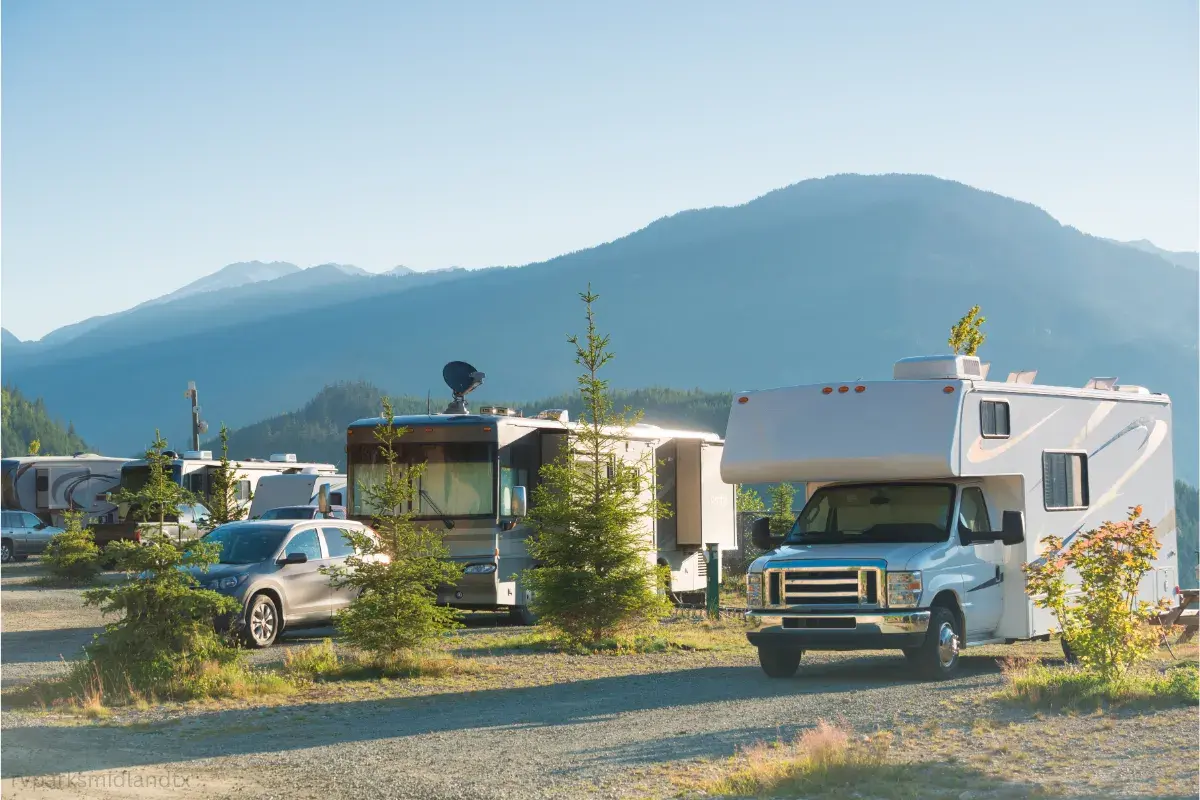
Understanding your RV’s class, weight, and size is essential for knowing licensing requirements. The type of RV you drive—whether Class A, B, or C—affects whether you might need a special license.
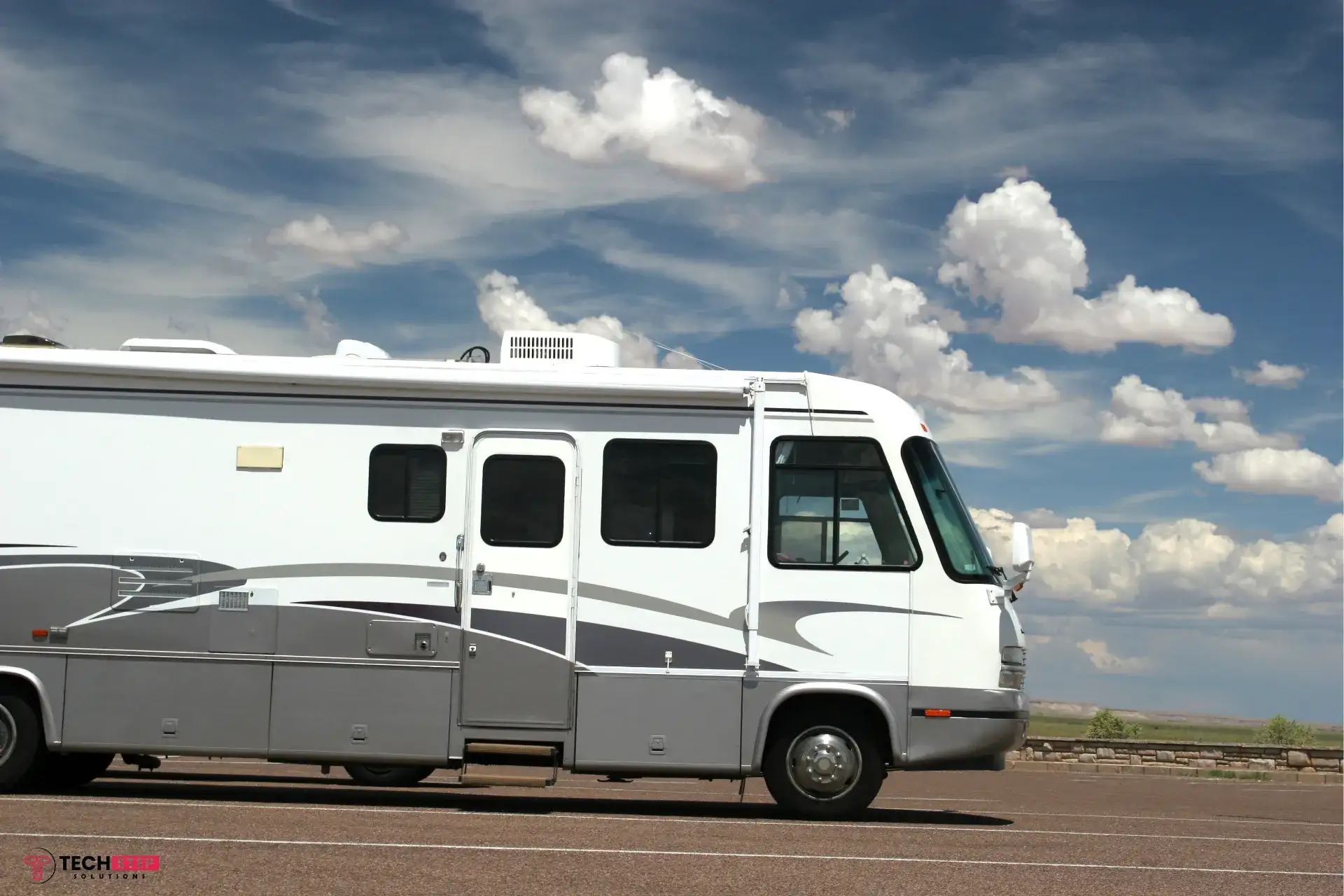
Class A Motorhomes: The largest RVs, often requiring additional permits or endorsements due to length, weight, and passenger capacity.
Class B RVs: Smaller, van-based RVs that usually fall under standard driver’s license rules.
Class C RVs: Mid-sized RVs built on a truck chassis, typically not requiring a CDL for personal use.
Large Motorhomes: Bigger vehicles follow stricter rules because of size, weight, and handling differences.
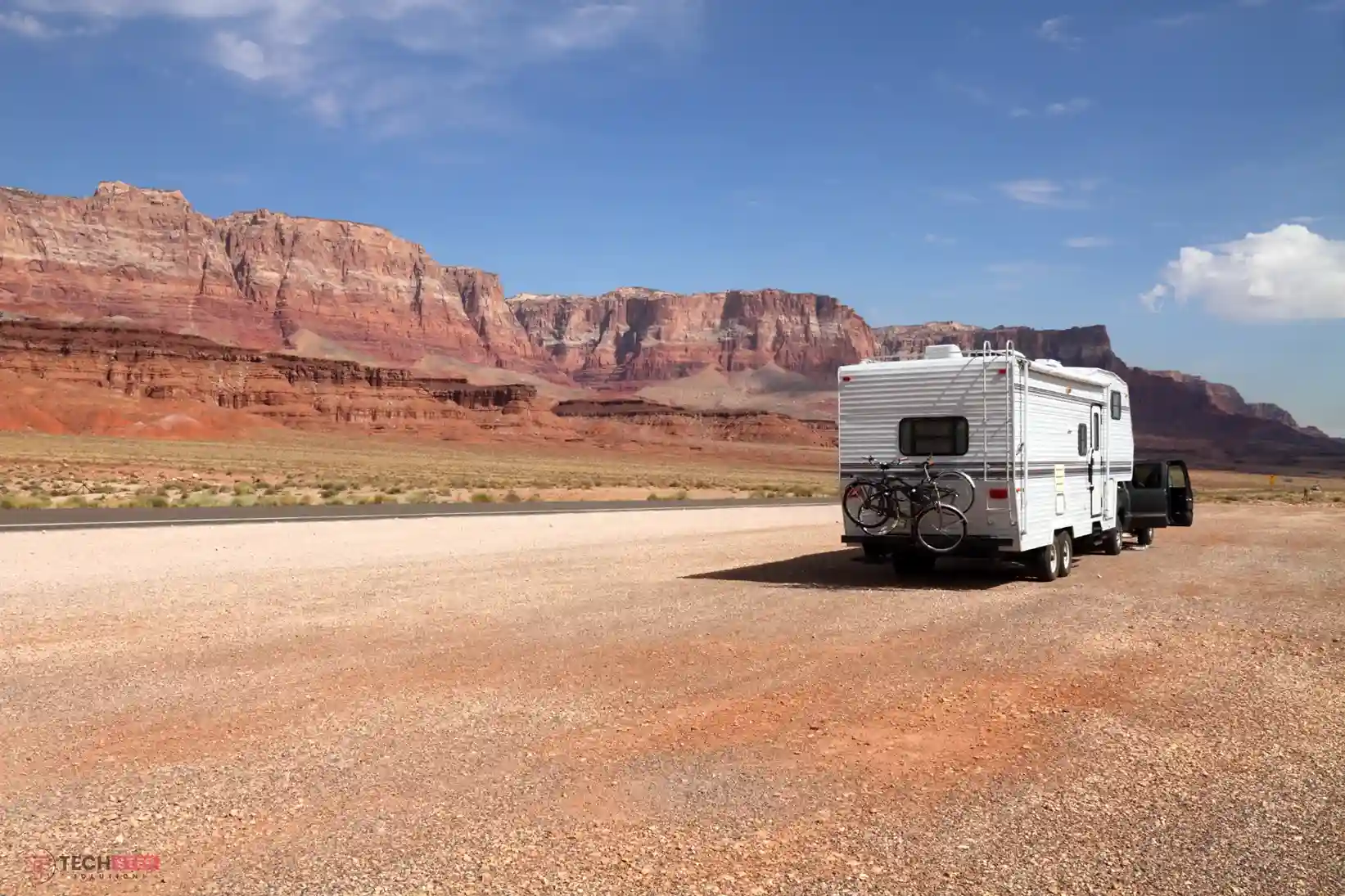
Trailers and Towing: Adding a trailer or towing another vehicle can impact licensing and may require a CDL or endorsement.
Weight and Class Relationship: The combination of your RV’s weight and class determines whether a standard license is enough or additional licensing is needed.
By understanding your RV’s class, overall weight, and towing setup, you can stay compliant, avoid fines, and drive safely across different states while meeting rv cdl license requirements.
State-Level Variations in RV Driving and Licensing Requirements
Stricter Rules in Some States
Licensing rules for RV drivers are not uniform across the U.S., and some states enforce stricter rules. These often relate to vehicle weight, class, or passenger capacity to ensure drivers are prepared for larger, more complex RVs.
Checking Local DMV Requirements
It is essential to check local DMV rules before traveling. Each state may have unique requirements for licence to drive RV and special endorsements, especially for larger motorhomes or towing setups.
State Interpretations Affect Licensing
State-specific interpretations can determine whether a standard license is enough or if a CDL or special permit is required. Regulations on towing, trailers, and RV length limits also vary by state.
Planning Trips with Compliance in Mind
For longer road trips, such as visiting popular destinations or staying at an RV Park Midland TX, understanding these rules ensures compliance, avoids fines, and allows for safe, stress-free travel.
Understanding the Difference Between Standard and CDL for RVs
Standard License for RVs
A standard driver’s license allows you to operate most RVs for personal RV and non-commercial purposes. It covers smaller motorhomes, Class B and C RVs, and trailers within weight and length limits. Using an RV for personal travel usually avoids the need for a CDL, making it simpler for most RV owners to stay compliant with state rules. Many drivers misunderstand this, leading to unnecessary concern about licensing.
Commercial Driver’s License (CDL) for RVs
A CDL is designed for large vehicles used commercially or exceeding federal or state weight thresholds. CDL RV confusion often arises when drivers assume all large RVs need a CDL, but federal recreational exemptions usually apply. Understanding the differences between standard licenses and a CDL helps ensure legal driving while preventing fines or compliance issues.
Important Licensing Scenarios for Oversized and Heavy RVs
Some RVs fall into special licensing categories due to size, weight, or towing setups. Oversized RV setups may exceed standard length limits, requiring additional permits or endorsements. Heavy towing combinations, such as pulling another vehicle or large trailer, can also trigger licensing requirements beyond a standard driver’s license.
In certain cases, a CDL endorsement may be necessary to legally operate the RV. Length limits are often the deciding factor, especially for Class A motorhomes or multi-axle setups. Understanding these special cases ensures compliance with state rules and allows drivers to operate their RVs safely without risking fines or legal issues.
Key Actions to Stay Compliant Before Driving an RV
Check RV Documentation: Ensure your registration, insurance, and any required permits are up to date.
Verify RV CDL Requirements: Confirm whether your RV’s weight, class, or towing setup requires a CDL or special endorsement in your state.
Understand State Rules: Review state-specific regulations before crossing borders, as licensing and vehicle rules may vary.
Plan Ahead: Make note of any additional permits or restrictions for oversized or heavy RV setups.
Stay Informed: Regularly check DMV updates and federal guidelines to avoid fines or legal issues.
Following these steps helps you drive safely, legally, and with confidence on all your RV adventures.
Costs depend on state fees and training programs, excluding vehicle costs.
Final Thoughts on RV Licensing and Responsible Travel
Understanding do you need a CDL to drive an RV helps you travel confidently and avoid legal issues. Knowing rv cdl law ensures you stay compliant with state regulations. Always check your RV’s class, weight, and towing setup before hitting the road.
Staying informed makes travel safer and more enjoyable for you and your passengers. Planning ahead reduces stress and prevents unexpected fines. With the right knowledge, you can focus on exploring destinations, enjoying road trips, and making lasting memories at stops like RV Park Midland TX. Responsible driving keeps both you and others safe while on the road.





 .
.