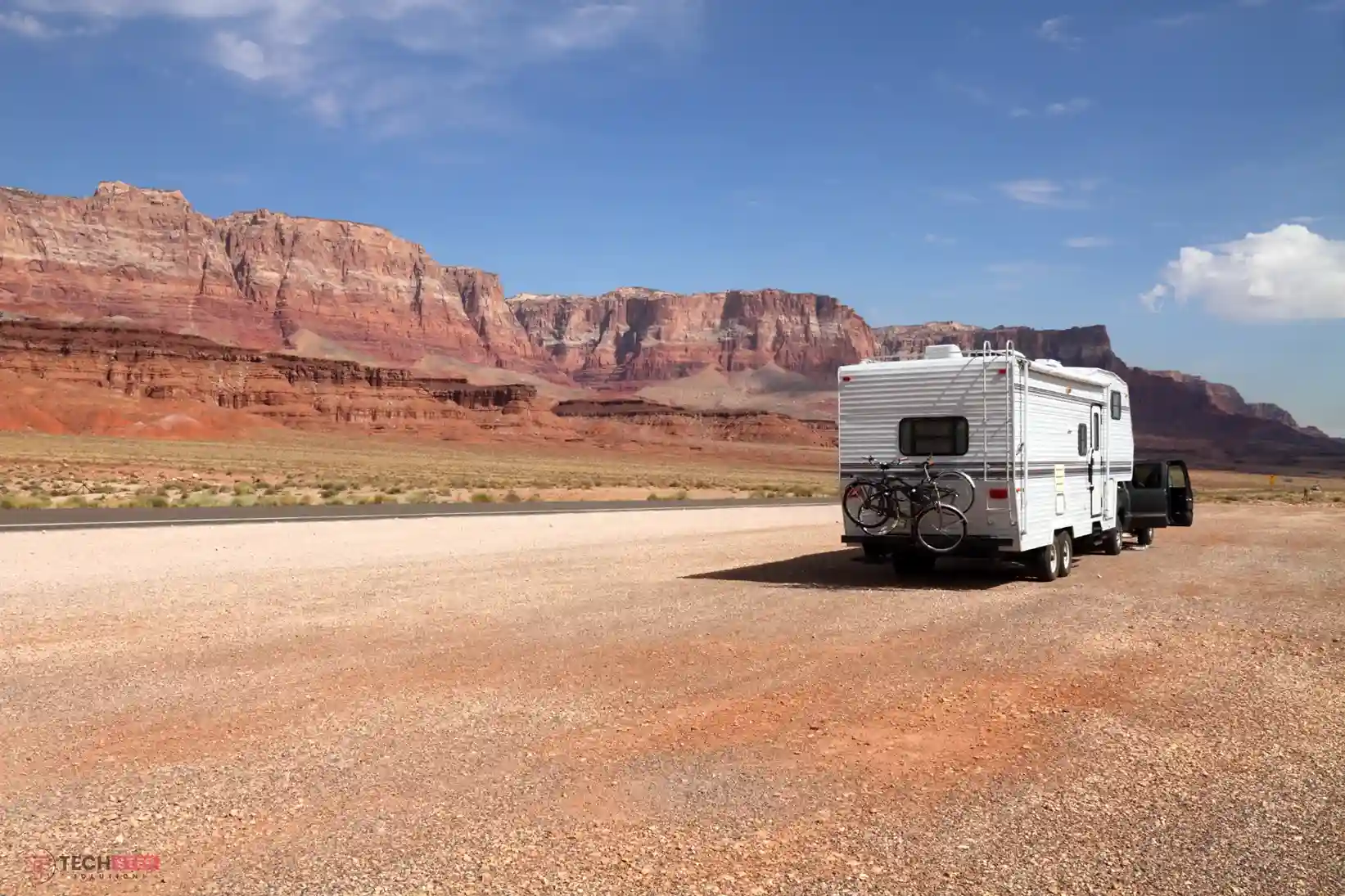
How Much Does RV Insurance Cost? Complete Guide and Breakdown
RV travel and ownership have grown rapidly as people seek freedom, adventure, and a break from busy life. With more households owning RVs, understanding insurance pricing has become essential. Costs vary widely because every RV is different, and how you use it affects your RV insurance cost, RV insurance rates, and average annual premiums. Whether you’re planning long trips or weekend getaways, including visits to places like RV Park Midland TX, knowing the insurance details is crucial for peace of mind.
Insurance prices also depend on factors such as RV type, whether it’s used full-time or for vacations, where it’s stored, and the coverage level you select. Understanding these elements helps RV owners make informed choices, budget effectively, and enjoy safe, worry-free travel—including stops at RV Park Midland TX.
A Detailed Overview of Typical RV Insurance Rates and Expenses
When considering how much is rv insurance, rates across the U.S. can vary widely due to differences in RV type, usage, coverage, and location. On average, the average rv insurance cost for most owners is around $1,500 per year, or roughly $125 per month. Smaller trailers or part-time use generally result in lower premiums, while larger motorhomes or full-time living can increase the rv insurance average cost.
A typical rv insurance cost ranges from $200 to $3,000 annually, influenced by factors such as storage, driving record, and deductible choices. Areas prone to severe weather or high crime may also raise insurance rates, while secure garages or trusted storage facilities can reduce them.
Getting an rv insurance estimate based on your RV type and coverage needs helps you plan your budget effectively. Comparing multiple insurers ensures fair premiums, while understanding liability policies and comprehensive coverage helps you select protection that matches your travel habits and lifestyle.
RV Insurance Rates by Type: How Costs Vary Across Vehicles
Insurance costs vary significantly depending on your RV type, whether it’s a motorhome or a towable trailer. Motorhomes usually have a higher replacement value and more complex systems, which makes the motorhome insurance cost average higher than towable RVs.
For those living in their RVs year-round, the full time rv insurance cost can be substantially higher due to broader coverage needs. In contrast, smaller trailers or pop-up campers are cheaper to insure, making recreational vehicle insurance rates more affordable for occasional travelers.
Motorhomes vs Towable RVs
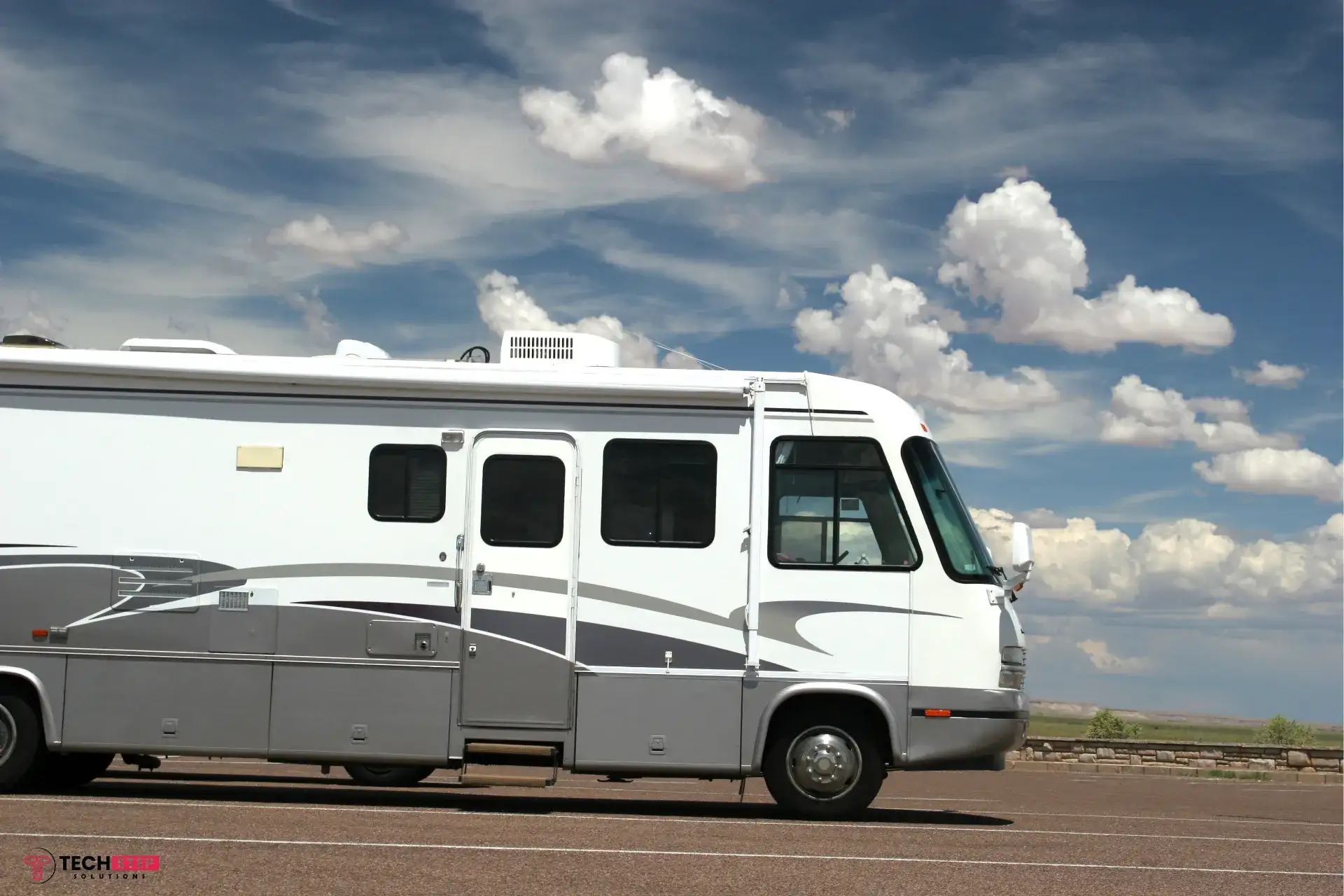
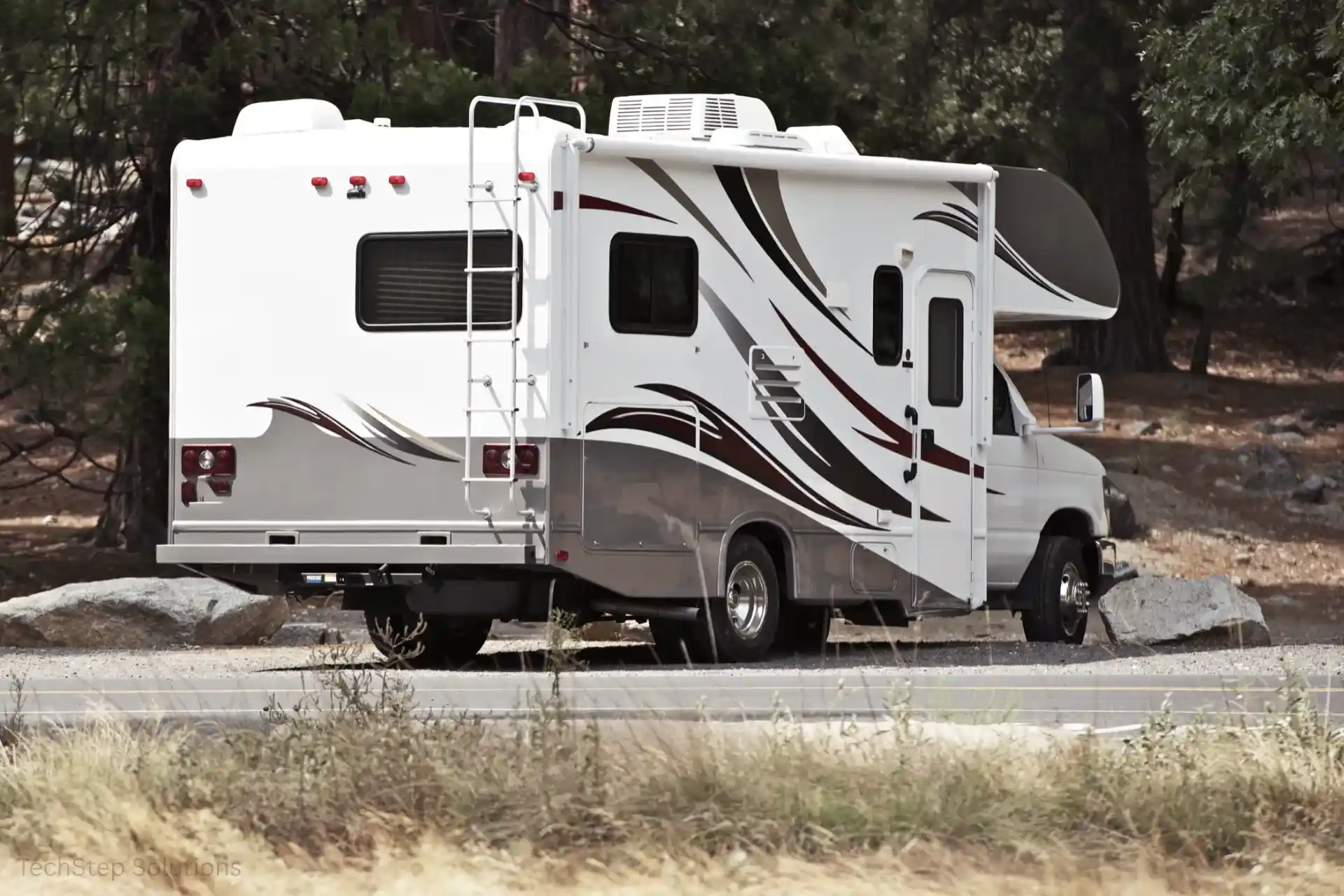
Motorhomes, including Class A, B, and C, combine living space with an engine, which increases risk and repair costs. Towable RVs like travel trailers, fifth wheels, and teardrop campers are considered cargo by insurers, which keeps premiums lower.
Why Size, Value, and Drivability Affect Premiums
Larger, more luxurious RVs have higher market value, expensive parts, and more liability exposure. Insurers also consider how easy the RV is to drive, how often it’s used, and its storage conditions. Smaller or simpler RVs naturally cost less to insure, helping owners reduce their recreational vehicle insurance rates.
Factors That Drive Your RV Insurance Costs and Premiums
Several factors determine how much you will pay for RV insurance. Understanding these can help you manage rates and premiums effectively.
RV Age and Condition: Older RVs may have more wear and tear, increasing the risk of claims and raising premiums. Well-maintained vehicles often qualify for lower costs.
Location & Climate Risks: Areas prone to storms, floods, or hail can increase insurance rates due to higher potential damage.
Storage Method: Parking inside a garage or secure facility can reduce the risk of theft or weather damage, lowering insurance costs.
Driving Record: A clean driving history reduces risk for insurers, while past accidents or traffic violations increase what you pay.
Credit Score: In most states, a higher credit score can help you qualify for cheaper premiums, while lower scores may increase costs. Some states, however, do not factor in credit scores.
By considering these factors, RV owners can make informed choices to minimize insurance costs while maintaining adequate coverage.
Coverage Selections That Can Significantly Affect RV Insurance Costs
Insurance costs depend heavily on the coverage you choose. Understanding your options helps manage liability policies and comprehensive coverage without overpaying.
Standard Coverage:
Liability policies to cover bodily injury or property damage
Comprehensive coverage for accidents, theft, fire, or natural disasters
Medical payment coverage for passengers
Optional Add-Ons:
Roadside assistance for towing, flat tires, or jump-starts
Vacation liability for campsites
Total loss replacement for full value of your RV
Emergency expenses for lodging, meals, or transport
Minimum vs Broader Protection:
Minimum coverage meets legal requirements but offers limited protection
Broader coverage provides extra security but increases premiums
Choosing the right combination ensures your RV is protected while controlling insurance costs.
Understanding the Role of Location and Storage in RV Insurance Pricing
Where you store your RV plays a big role in determining your insurance rates. Locations prone to severe weather, floods, or theft usually result in higher premiums. Safe and secure storage reduces risk, helping you save on lower costs.
Using trusted facilities or garages, such as RV Park Midland TX, provides extra protection and peace of mind. Insurers consider storage because it affects the likelihood of damage, theft, or vandalism, making it a key factor in your rv insurance cost.
Practical Strategies for Reducing Your RV Insurance Expenses
Here are practical steps to lower the cost of rv insurance while keeping adequate coverage:
Adjust Your Deductible: Choosing a higher deductible can reduce monthly premiums.
Bundle Policies: Combine RV insurance with other policies to save money.
Limit Usage: Use your RV less frequently to lower risk and costs.
Secure Storage: Keep your RV in a safe garage or storage facility to qualify for lower costs.
Maintain a Clean Driving Record: Avoid accidents and traffic violations to reduce premiums.
Compare Quotes Annually: Reviewing quotes each year ensures you get the best premium rate.
Following these steps helps RV owners save money without compromising protection.
Understanding RV Insurance Costs Compared to Other Vehicles
Many people wonder how rv insurance rates compare to regular auto insurance. While RV insurance can seem costly, it often reflects the vehicle’s size, value, and usage rather than being inherently expensive.
Key Reasons RV Insurance Rates Fluctuate for Different Vehicles
Full-time RVers or owners of large motorhomes usually pay more due to increased risk and coverage needs. Part-time travelers with smaller trailers often enjoy lower premiums than standard car insurance, clarifying common misconceptions about RV insurance costs.
Yes, but overlapping coverage may waste money; review both policies carefully.
Final Considerations for RV Insurance Costs and Coverage Choices
RV insurance costs can differ widely depending on your vehicle type, how frequently you travel, and the coverage you select. A typical rv insurance cost ranges from $200 to $3,000 per year, with larger motorhomes and full-time use driving premiums higher. Smaller trailers and occasional use usually result in lower rates, but other factors like storage, driving record, and location also play a role.
Getting an rv insurance estimate based on your RV’s specifics helps you understand what you might pay and plan your budget effectively. Being aware of these details allows owners to make well-informed decisions, balance coverage with cost, and ensure protection that suits their travel and lifestyle needs.








 .
.