How to Dewinterize Your RV: Complete Guide for Spring and Summer Trips
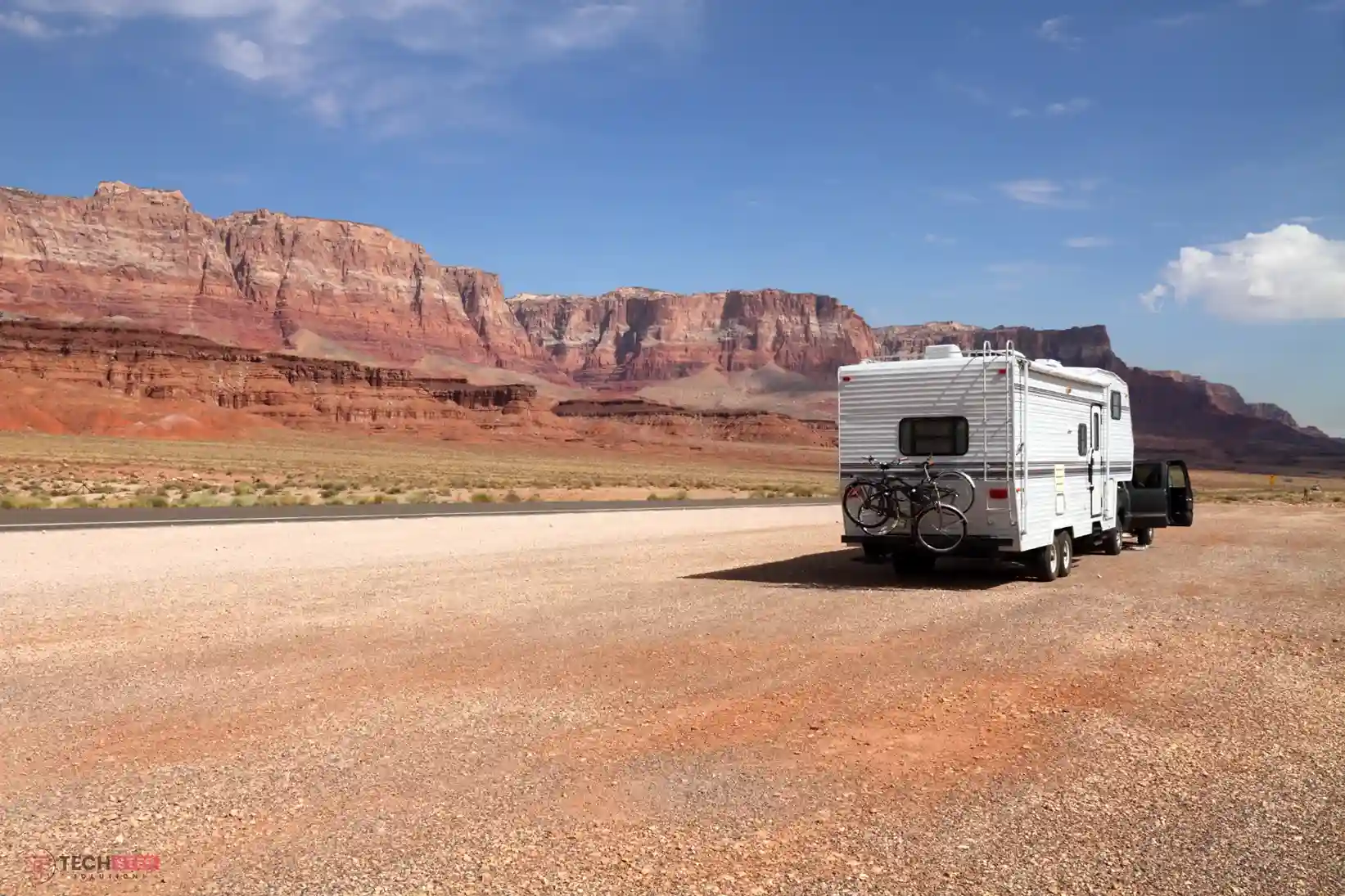
As warmer weather approaches, it’s the perfect time to get your RV ready for travel. Winter can take a toll—pipes may freeze, batteries can drain, and antifreeze from winterizing might still be in the plumbing. Extended storage can also cause tires to lose shape or develop flat spots. Proper dewinterizing of your RV ensures everything works smoothly before your first trip, whether you’re hitting the road or visiting destinations like RV Park Midland TX.
Following a clear, step-by-step guide helps prevent costly repairs and unexpected surprises. In this guide, we’ll show you exactly how to dewinterize your RV and get it ready for safe, fun adventures, including stops at RV Park Midland TX.
The Importance of Properly Dewinterizing Your RV Before Travel
Proper RV dewinterizing is essential to keep your vehicle safe and fully functional. Ignoring this step can cause hidden damage to plumbing, appliances, and tires. Cold weather can crack pipes, drain batteries, or leave antifreeze for RV winterizing residue in your water system. By checking all systems carefully, you prevent leaks, malfunctioning appliances, and tire issues on the road.
Taking the time to de-winterize RV systems also protects your RV’s long-term value. Regular maintenance reduces the risk of costly repairs and keeps every system working correctly. Safety is a top priority, and thorough preparation ensures worry-free trips every time you hit the road.
Inspect and Clean Your RV to Ensure Safety and Proper Function
Begin with a complete exterior walkthrough; check the roof, windows, vents, and seams for cracks or damage.
Inspect low-point drains and ensure they are clear of debris.
Examine appliances to confirm they survived winter storage without leaks or corrosion.
Check batteries, terminals, and fluid levels; fully charge if needed.
Clean the interior thoroughly, including cabinets, countertops, and floors.
Inspect all devices, such as smoke detectors, carbon monoxide alarms, and kitchen appliances.
Remove winter covers and check vents for nests or blockages.
Prepping your RV properly ensures safer and easier travel; include this step in your dewinterizing RV checklist.
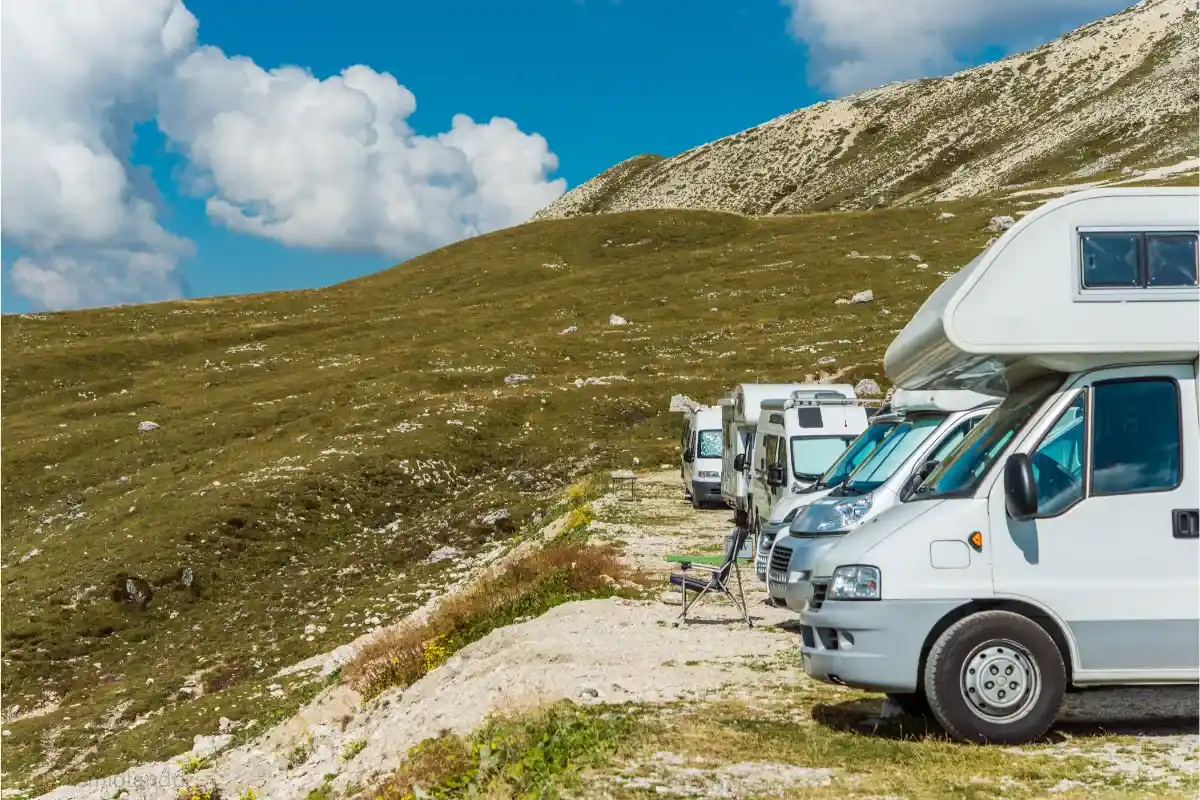
Consider stops like RV Park Midland TX for your first trip.
Preparing Your RV Plumbing for Spring: Dewinterizing Made Easy
Winter storage often leaves antifreeze for RV winterizing in pipes and tanks. Removing it is essential for safe water use. Start by opening all low-point drains to empty antifreeze and leftover water. Don’t forget to drain grey and black water tanks at an official dump site.
Next, connect a fresh water hose to the city water inlet, or turn on the RV water pump. Open all faucets, showers, and sinks, starting with the farthest faucet. Let water run until it’s clear with no pink antifreeze. This also applies when dewinterizing travel trailers, as their plumbing works similarly.
After flushing, fill the fresh water tank and run water through all faucets again. Replace any water filters removed during storage. Inspect faucets, fittings, and appliances for leaks. Proper plumbing care now ensures safe water, prevents damage, and prepares your RV for a smooth start to the travel season. This is one of the critical steps to dewinterize RV effectively.
Sanitizing the Fresh Water System: Keep Your RV Water Clean and Safe
After flushing out antifreeze, it’s important to clean your freshwater system. Start by mixing a bleach solution. Use one-quarter cup of bleach per 15 gallons of water in your tank. Add the solution to the tank and fill the remainder with clean water.
Turn on the water pump and open all faucets, including showers and sinks. Let the solution flow until you smell bleach at each outlet. Close faucets and let the mixture sit in the plumbing system for several hours.
After it has sat, drain the water completely. Refill the tank with fresh water and flush again until the bleach smell is gone. Following this step ensures water is safe for cooking and drinking. Include this in your dewinterizing RV checklist to avoid bacteria or leftover residues.
Inspecting and Charging Batteries to Keep Your RV Systems Running
After winter storage, your batteries need a full inspection. Reconnect any that were removed and check for corrosion on the terminals. Make sure fluid levels are topped up for lead-acid batteries.
Next, test each battery by turning on lights, water pumps, and other electrical systems. This ensures everything is functioning correctly before your first trip. Weak or damaged batteries should be replaced to avoid being stranded on the road.
Properly maintaining batteries is a key part of RV dewinterizing. Taking the time now protects your electrical system and guarantees that all devices operate safely and efficiently during travel.
Checking Tires and Safety Devices to Ensure Road-Ready RV Travel
Before hitting the road, check all tires carefully. Look for cracks, flat spots, or uneven wear caused by winter storage. Inflate each tire to the manufacturer’s recommended pressure to ensure safe driving.
Next, inspect all safety devices. Test smoke detectors, carbon monoxide alarms, and fire extinguishers to make sure they work properly. Replace batteries or units if needed.
Taking these steps is a critical part of preparing your RV. Properly performing this step ensures that you dewinterize an RV correctly, keeping the vehicle safe and fully ready for a smooth journey.
Ensure Everything Works: Testing RV Appliances and Propane Systems
After checking your batteries and plumbing, it’s time to test all appliances. Turn on the fridge, stove, oven, air conditioner, water heater, and microwave. Make sure each appliance is working properly on both electric and propane power if applicable.
Next, inspect the propane tanks and connections. Check regulators for leaks by smelling for gas or using a soapy water solution on fittings. Any bubbles indicate a leak, which should be fixed immediately.
Testing all these systems now prevents problems during travel. This is a crucial part of the steps to dewinterize RV, ensuring every appliance and propane component functions correctly.
Getting Ready to Hit the Road: Stocking Food and Checking Devices
After verifying all systems, give the RV a full clean and inspection. Wipe down countertops, cabinets, and floors. Make sure all devices like smoke detectors, carbon monoxide alarms, and lights are working properly.
Restock essential items including food, water, and emergency supplies. Check that food storage areas are clean and safe. Replace any expired or damaged items to avoid problems on the road.
Including this step in your dewinterizing RV checklist ensures a smooth start to your trip. A clean, fully stocked RV keeps your journey comfortable, safe, and worry-free from the very first mile.
Top Errors to Watch Out for During RV Dewinterizing
Skipping leak checks in plumbing or failing to inspect batteries.
Not flushing antifreeze for RV winterizing completely from pipes and tanks.
Ignoring low-point drains, leaving residual water or antifreeze behind.
Improperly sanitizing fresh water, risking bacteria or unsafe drinking water.
Rushing the process and skipping steps, which can compromise Safety and overall system function.
Following proper procedures prevents damage, ensures every system works correctly, and keeps your RV ready for a safe, enjoyable trip.
Flush all antifreeze from the plumbing and tanks. Open low-point drains, run fresh water through faucets, and replace water filters. Sanitize the system using a bleach solution to ensure safety.
Costs vary if done professionally or DIY. DIY mainly involves cleaning supplies and battery checks. Professional services may include full plumbing flush and appliance inspection.
Final Thoughts on Dewinterizing Your RV for a Safe and Smooth Trip
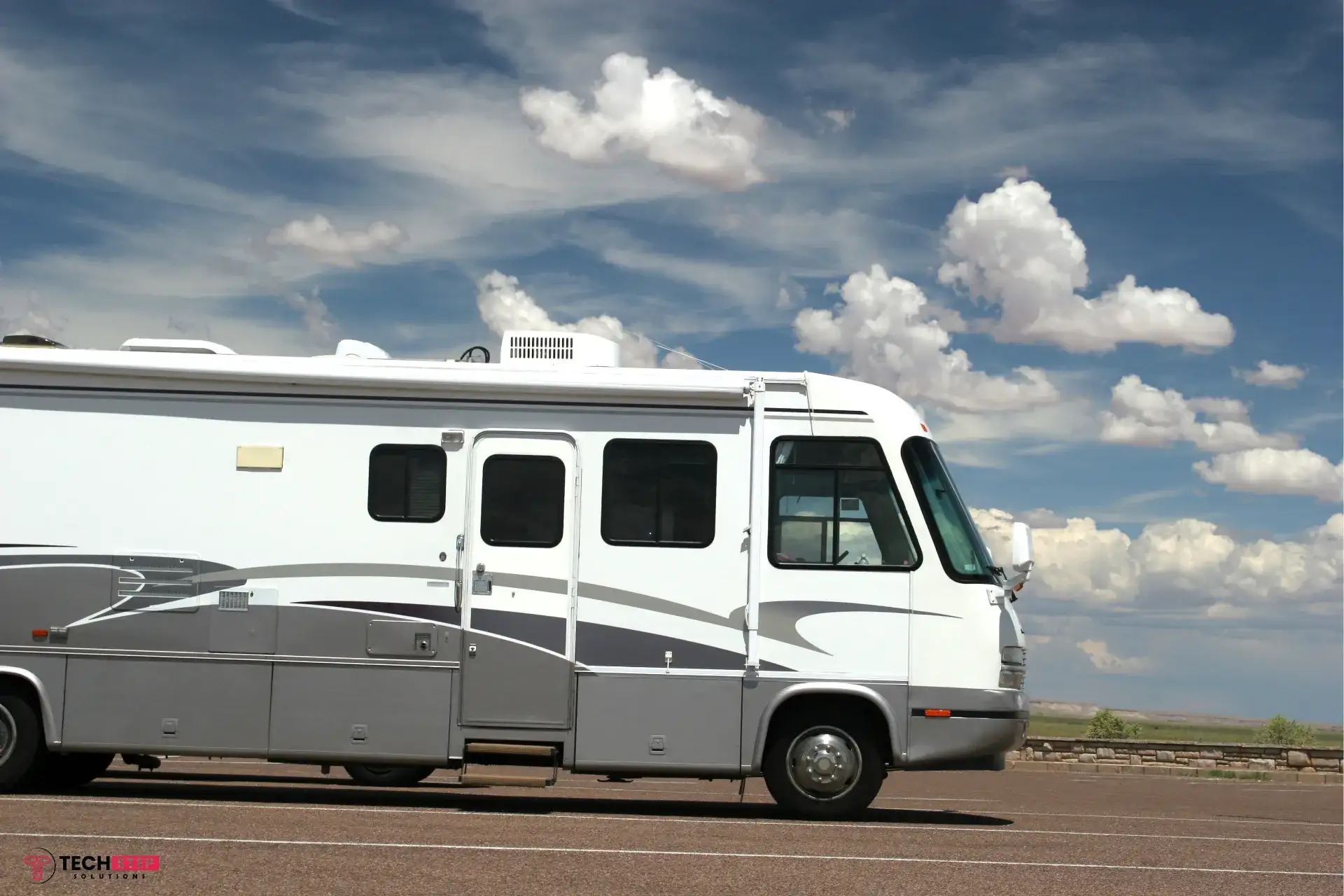
Thorough Clean & Inspect practices are key to successful RV dewinterizing. Each step, from flushing the plumbing to checking batteries, tires, and appliances, ensures Safety and proper function. Skipping any part can lead to costly repairs or inconvenient breakdowns. Taking the time now gives you peace of mind and a stress-free start to the travel season. RV owners ready to hit the road can plan their trips confidently, with convenient stops like RV Park Midland TX as part of their adventure.






 .
.